Source Anodized Roller Blind Track for Living Room, Office, Bathroom
Find 30 verified listings for Anodized Roller Blind Track suitable for living rooms, offices, and bathrooms. Compare specifications including mounting types, surface treatments, and customization options from suppliers in Foshan, Guangdong.
Key considerations
Products List


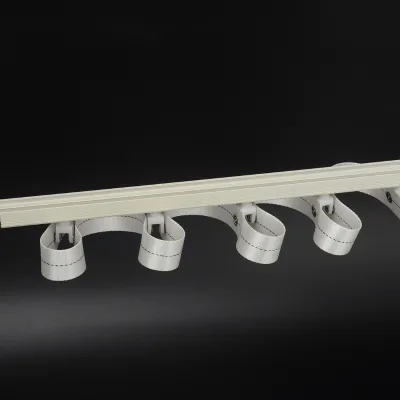

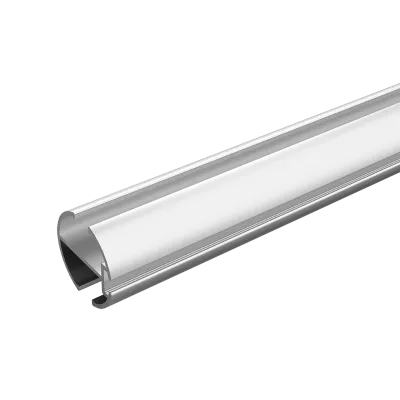

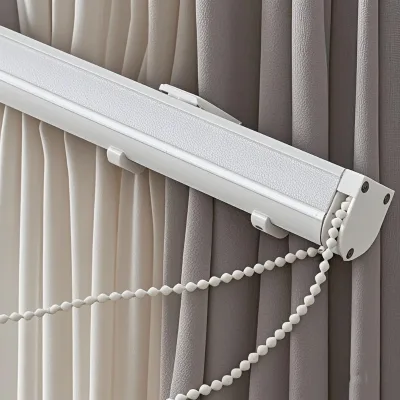


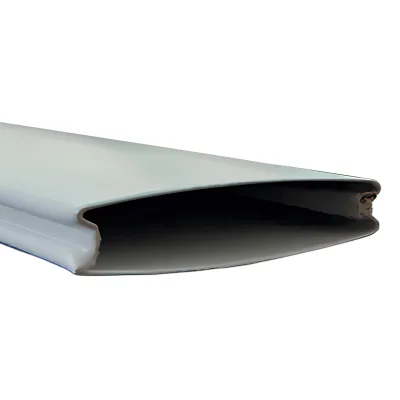


Comprehensive Sourcing Guide
Strategic Sourcing Guide for Anodized Roller Blind Tracks
The global market for window treatment hardware has seen a significant shift toward durable, aesthetically versatile, and technologically integrated solutions. Among these, the Anodized Roller Blind Track stands out as a critical component for both residential and commercial applications. Sourcing this specific hardware requires a nuanced understanding of material science, surface treatment processes, and the specific operational requirements of the end-user environment. This guide provides a comprehensive framework for buyers to evaluate suppliers, verify product specifications, and mitigate procurement risks associated with anodized roller blind tracks.
Material Composition and Surface Treatment Protocols
The foundation of a high-performance roller blind track lies in its material composition and the subsequent surface treatments applied to ensure longevity and aesthetic appeal. Based on available industry data, the primary material for these tracks is Aluminum Alloy. This choice is driven by the metal's favorable strength-to-weight ratio, corrosion resistance, and malleability, which allows for complex extrusion profiles. The specific weight of these aluminum tracks varies depending on the profile design and thickness, with observed values ranging from 0.236 kg/meter to 0.608 kg/meter. This variance indicates that buyers must scrutinize the specific model number and thickness specifications rather than relying on generic averages.
Surface treatment is the defining characteristic of the "anodized" designation in this context. The supply chain data confirms that anodizing is a primary treatment method, often utilized in conjunction with Powder Coating and Electrophoresis. These processes serve distinct functions: anodizing creates a hard, oxide layer that enhances corrosion resistance and allows for dyeing in various colors, while powder coating provides a thick, durable finish in a wide spectrum of hues. The observed color options include Mill Finish, Anodized Silver, Powder Coated White, and various Matt or Bright Silver, Gold, and Bronze tones.
When evaluating suppliers, procurement teams must verify the specific surface treatment process used for the requested color. For instance, a request for a "White" finish could be satisfied by a powder-coated aluminum track or an electrophoresis-treated unit. The depth of processing capabilities is also a critical differentiator. Advanced suppliers offer deep processing services such as cutting, punching, sawing, and bending. This capability is essential for customizing the track length, which can be adjusted from 3 meters to 7 meters per piece, or tailored to specific customer requirements. Buyers should ensure that the supplier's deep processing equipment maintains the integrity of the anodized layer during cutting and bending to prevent premature degradation at the cut edges.
Technical Specifications and Profile Variations
Technical specifications for anodized roller blind tracks are not monolithic; they vary significantly based on the intended mounting style and the specific model architecture. The market offers distinct track types, including Flatted Track and Surface Track. The mounting configuration is equally critical, with options ranging from Side Mounting to Top Mounting. These structural differences dictate the installation method and the visual profile of the final window treatment.
Thickness is a primary specification that directly influences the structural rigidity and weight of the track. Data indicates a standard thickness of 1mm for certain models, while others may utilize 0.9mm profiles. The hardness of the aluminum alloy is another key metric, with some specifications requiring a hardness of greater than or equal to 10hw. This hardness rating ensures that the track can withstand the mechanical stress of repeated roller movement without deforming.
The following table summarizes the key technical variations observed in the current market for anodized roller blind tracks:
| Specification Category | Observed Variations | Sourcing Verification Requirement |
|---|---|---|
| Track Type | Flatted Track, Surface Track | Confirm compatibility with existing window frames. |
| Mounting Style | Side Mounting, Top Mounting | Verify structural load-bearing capacity for the specific mount. |
| Thickness | 0.9mm, 1mm | Request mill certificates or physical samples to verify gauge. |
| Weight | 0.236 kg/m, 0.608 kg/m | Calculate total shipment weight based on specific model. |
| Track Number | Single | Ensure the system design matches the window width. |
| Hardness | >= 10hw | Validate through third-party testing if structural integrity is critical. |
| Length | 3m to 7m (Customizable) | Confirm maximum cut length capabilities of the supplier. |
Buyers must also consider the components that accompany the track. A complete system often includes a cassette cover, a 38mm clutch set, and PVC tape. For more complex installations, additional profiles such as a 38mm roller tube and a bottom rail set may be required. The integration of these components must be seamless to ensure the smooth operation of the blind.
Compliance, Certification, and Quality Standards
In the B2B procurement landscape, compliance and certification are non-negotiable elements that validate the quality and safety of the product. The supply data indicates that products are often associated with the SGS standard, a globally recognized inspection, verification, testing, and certification company. However, it is crucial to distinguish between a product that has an SGS standard listed and one that is certified to a specific international standard. Buyers should request valid, current SGS certificates that correspond to the specific batch of goods being purchased.
Furthermore, the industry often references specific model standards, such as W68.9*H81.2mm, which may represent dimensional tolerances or specific profile standards. When a supplier lists "Customized" as a standard, it implies flexibility but requires rigorous quality control to ensure that custom dimensions do not compromise the structural integrity of the anodized layer. The origin of the product is another compliance factor; many of these aluminum tracks originate from Foshan, Guangdong, China, a major hub for aluminum extrusion. While this location is known for high-volume production, buyers must verify that the manufacturing facilities adhere to local environmental regulations and international labor standards.
For products intended for export or use in regulated markets, buyers should verify if the anodizing process meets specific environmental standards regarding heavy metal content and waste disposal. The absence of a specific certification in the provided data does not preclude its existence, but it necessitates a proactive request for documentation. Buyers should also check for warranties, which are commonly offered for 1 year, and after-sales service commitments, such as 24-hour response times, which serve as indicators of supplier confidence in their product quality.
Cost Drivers and Pricing Dynamics
The pricing of anodized roller blind tracks is influenced by a complex interplay of factors, including material costs, surface treatment complexity, and customization levels. The observed price range in the market is vast, spanning from $0.03 to $3750 USD. This extreme variance suggests that the price is not solely a function of the track itself but includes the entire system, including motors, smart controls, and packaging.
For the bare aluminum track, the cost is driven by the thickness of the alloy, the type of surface treatment (anodizing is generally more expensive than mill finish), and the volume of the order. The Minimum Order Quantity (MOQ) ranges from 1 to 3000 units, indicating that suppliers cater to both small-scale custom projects and large-scale industrial contracts. Buyers should be aware that lower MOQs often come with a higher unit price due to the setup costs associated with custom cutting and packaging.
Packaging is another significant cost driver. Options include carton packaging, craft paper, shrink-wrapping, or clear PVC boxes with carton exteriors. The choice of packaging affects the final cost and the protection of the anodized surface during transit. Scratches on an anodized surface can be difficult to repair, making high-quality packaging essential. Additionally, the inclusion of smart motors and control systems, such as those supporting "Alex" (likely referring to Alexa) or manual/motorized/smart control ways, will significantly increase the total cost. Buyers must clearly define whether they are sourcing the track alone or a complete motorized system to avoid budget overruns.
Typical Applications and Functional Requirements
Anodized roller blind tracks are versatile and find application across a wide spectrum of environments. The functional requirements of the track often dictate the choice of material and finish. For residential settings, such as living rooms, bedrooms, and bathrooms, the focus is often on aesthetics and noise reduction. The observed features include "smoother" and "noiseless" operation, which are critical for creating a peaceful living environment. The "Fabric Softer and Smooth" attribute suggests that the track is designed to work seamlessly with high-quality fabrics that require gentle handling.
In commercial and office environments, the functional requirements shift towards durability, security, and energy efficiency. The tracks are often specified for their ability to provide sound insulation, heat insulation, and insect resistance. In high-traffic areas, the anti-theft and windproof capabilities of the track system become paramount. The "Roman" kind and "Horizontal" structure are particularly suitable for office partitions and large window installations where a clean, unobtrusive look is desired.
The adaptability of the track to different environments is further enhanced by the availability of smart motor support. This allows for integration into building automation systems, enabling remote control and scheduling. The usage scenarios extend to kitchens and offices, where the track must withstand varying humidity levels and temperature fluctuations. The anodized finish is particularly advantageous in these environments due to its resistance to corrosion and UV degradation, ensuring that the track maintains its appearance over time.
Supplier Evaluation and Quality Control Strategies
Selecting the right supplier for anodized roller blind tracks requires a rigorous evaluation process that goes beyond price comparison. Buyers should assess the supplier's manufacturing capabilities, specifically their ability to perform deep processing tasks like cutting, punching, and bending without damaging the anodized layer. The presence of a "Customization" attribute in the product data suggests that many suppliers offer tailored solutions, but the quality of these customizations must be verified.
Quality control should begin with the verification of raw materials. Buyers should request material certificates for the aluminum alloy to confirm the grade and composition. The surface treatment process should be inspected for consistency in color and thickness. The "SGS" standard mentioned in the data is a strong indicator of quality, but buyers should ensure that the testing was performed on the actual product batch.
When evaluating suppliers, consider the following criteria:
- Technical Capability: Can the supplier handle the specific thickness and mounting requirements?
- Customization Flexibility: Are they able to produce tracks with lengths between 3m and 7m or other custom dimensions?
- Quality Assurance: Do they have a documented QC process for surface treatment and dimensional accuracy?
- After-Sales Support: Is there a clear warranty policy (e.g., 1 year) and a responsive after-sales service team?
- Logistics: Can they provide secure packaging to prevent scratches during shipping?
Long-Term Procurement Considerations
Sourcing anodized roller blind tracks is not just a transactional activity but a strategic decision that impacts the long-term performance of the end product. Buyers should consider the lifecycle of the track, including its resistance to wear and tear. The hardness rating of >=10hw is a critical metric for long-term durability, ensuring that the track can withstand the mechanical stress of daily operation.
Furthermore, the trend towards smart home integration means that buyers should consider the compatibility of the track with future technologies. The availability of smart motor support and the ability to customize control ways (manual, motorized, smart) ensure that the system remains relevant as technology evolves. The warranty period of 1 year is a standard benchmark, but buyers should negotiate extended warranties for large projects to mitigate long-term risks.
Finally, the environmental impact of the anodizing process should be considered. Buyers should inquire about the supplier's waste management practices and the recyclability of the aluminum alloy. By prioritizing suppliers who adhere to sustainable manufacturing practices, buyers can align their procurement strategies with corporate social responsibility goals. The ability to customize size and color allows for a tailored approach that reduces waste and ensures the perfect fit for every application, ultimately contributing to a more efficient and sustainable supply chain.
FAQs
What materials are used for anodized roller blind tracks?
The tracks are primarily constructed from Aluminum Alloy, chosen for its strength and corrosion resistance. This material supports various surface treatments like anodizing and powder coating to ensure durability and aesthetic appeal in different environments.
Which surface treatments are available for these tracks?
Available surface treatments include Anodized, Powder Coating, and Electrophoresis processes. These methods provide options for Mill Finish, Anodized Silver, Powder Coated White, and various metallic tones like Gold or Bronze to match specific design requirements.
Can the track length be customized for specific windows?
Yes, the length per piece can be customized from 3 meters to 7 meters. Suppliers also offer deep processing services such as cutting, punching, and sawing to tailor the track dimensions precisely to customer requirements.
What mounting styles are supported for installation?
The system supports both Side Mounting and Top Mounting configurations depending on the track type. Buyers should verify the specific model, such as Flatted Track or Surface Track, to ensure compatibility with their window frame structure.
How is the hardness of the aluminum alloy specified?
The hardness of the aluminum alloy is specified as greater than or equal to 10hw. This rating ensures the track can withstand mechanical stress during repeated operation without deforming under normal usage conditions.
What warranty and after-sales service are provided?
Products typically come with a 1-year warranty and 24-hour after-sales service support. This commitment ensures buyers receive timely assistance for any operational issues or quality concerns regarding the track system.
Are smart motor options available for the tracks?
Smart motor support is available, including options compatible with Alexa for automated control. The system can be configured for Manual, Motorized, or Smart control ways to suit residential or commercial automation needs.